
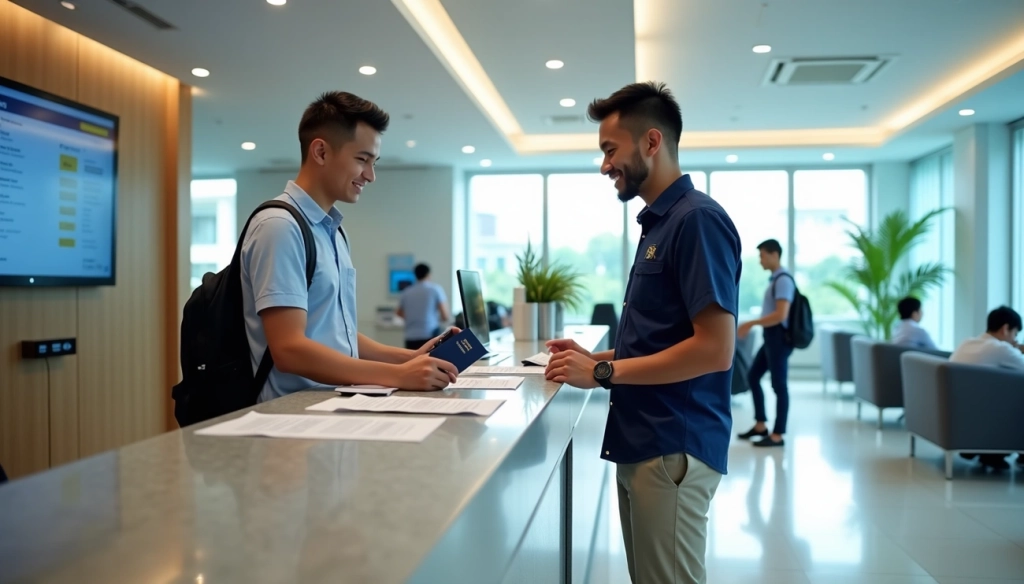
Thai banks have substantially tightened their requirements over the last several years. The process is nowhere near as simple as before. You’ll need a valid passport with at least 6 months validity, proof of address, and a long-term non-immigrant visa like Type B, O, ED, or LTR by 2025. Your visa type determines the best bank choice in Thailand. Kasikorn Bank and Krungthai Bank remain the most welcoming options for foreigners with ED visas. Bangkok Bank has substantially restricted its requirements since 2024.
The Bank of Thailand’s boosted anti-money laundering (AML) and know-your-customer (KYC) regulations led to these stricter banking rules. But some good news exists – top Thai real estate agencies now offer special services that help foreigners open Thai bank accounts. These agencies guide customers through documentation and boost their approval chances.
1. Can Tourists Open a Bank Account in Thailand in 2026?
The answer about opening a bank account on a tourist visa in Thailand is simple – you can’t do it anymore. Major Thai banks have put strict rules in place that stop tourists from opening new accounts, whatever their nationality or how much money they have.
Why tourist visas are no longer accepted
Thai banks have been working under much tighter rules since January 2024. Bangkok Bank, one of Thailand’s biggest banks, no longer opens new accounts for foreign tourists. These rules also apply to people with the Destination Thailand Visa (DTV), even though it lets you stay up to 180 days.
Thai banks won’t accept tourist visa holders for several reasons:
Anti-Money Laundering (AML) concerns – Thai banks must follow strict rules that need proof of stable immigration status from all foreign account holders. Tourist visas don’t provide the permanent status needed for proper checks.
Cybersecurity improvements – The tougher rules line up with Thailand’s work to boost cybersecurity and stop financial scams.
Temporary status issues – Tourist visas and visa exemptions only last 30 to 60 days, which makes it hard for banks to check customers properly.
DTV classification problems – The DTV visa lasts 180 days but Thai immigration law sees it as a tourist visa, so banks treat it the same way as regular tourist visas.
Banks are also looking at existing accounts tied to tourist visas or visa-free stays. Many of these accounts will close soon if the holder can’t show a valid long-term visa. This is a big change from past years when some banks were more flexible with tourist visa holders.
Exceptions and rare cases for non-resident accounts
The rules are strict, but some rare exceptions exist. Bangkok Bank says foreigners can open accounts if they have long-term visas, are married to Thai nationals, or own property in Thailand. People with retirement or non-immigration visas can still open accounts too.
Bangkok Bank’s Foreign Currency Deposit (FCD) account might still be available at the main office or branches outside Bangkok that handle foreign currency deposits. But tourists usually can’t get these accounts either.
Some trusted institutions with good banking connections might help you open an account:
Muay Thai gyms and cooking schools – They sometimes help DTV holders open accounts, but this costs 3,000 to 5,000 THB and needs lots of paperwork.
Top Thai real estate agencies – Several well-known real estate companies now offer special services to help foreigners deal with the banking system. These agencies have connections with specific bank branches and can help with paperwork, which might improve your chances. They’ll prepare your documents and go to the bank with you.
The main point stays the same – without a long-term visa like an ED visa, work permit, or retirement visa, opening a bank account in Thailand is very hard in 2026. Even with help, the bank makes the final decision, and they rarely say yes these days.
2. Documents You’ll Need to Open a Thai Bank Account
Getting a bank account in Thailand depends on having the right paperwork. Many foreigners get turned away at the bank because they don’t come prepared, even with the right visa. Here’s what you need to bring to a Thai bank branch in 2026.
Valid passport with 6+ months validity
Your passport is the life-blood document you need to open a Thai bank account. Banks have gotten stricter about passport requirements:
- Your passport must have at least six months of remaining validity from your application date
- The passport should contain your current visa page (non-tourist visa)
- All pages must be in good condition with no damage or unauthorized modifications
- Most banks will make physical copies of your identification page, visa page, and most recent entry stamp
Here’s something people often miss: your name needs to match exactly on all your supporting documents. Banks will reject your application right away if there are any differences in spelling or name order. To cite an instance, if your passport shows a middle name, you’ll need that same middle name on every document you show.
Thai mobile number for OTPs
These days, you absolutely need a Thai mobile number – it’s not optional anymore. There are two main reasons for this:
Thai banks use One-Time Passwords (OTPs) sent by SMS to verify transactions. You won’t be able to use your account without a Thai number to receive these security codes.
Mobile banking has become the main way people manage their accounts in Thailand. Banks will set up your mobile banking access as they open your account.
Pick one of the big providers like AIS, DTAC, or TRUE when you get your Thai SIM card. They give you better coverage across the country. Note that Thai law requires you to register your SIM card with your passport details. Banks check if your mobile number is properly registered in your name before they open your account.
Proof of address: what works and what doesn’t
Finding the right proof of address is the biggest challenge foreigners face. Banks take different types of documents as proof, but some are better than others:
Documents typically accepted:
- Rental agreements (minimum 6-month term) with official Thai translation
- Property ownership documents if you own real estate
- Work permit with address details
- Utility bills (electricity, water) in your name
- Letters from embassies confirming your residence in Thailand
Documents frequently rejected:
- Hotel reservations or temporary accommodation bookings
- Handwritten rental agreements without official stamps
- Bills or statements older than three months
- Documents showing a post office box instead of a physical address
Banks now want proof of address documents in both Thai and English. They often reject English-only documents, so you’ll need official translations. These usually cost between 500-1,500 THB based on how long the document is.
Some top Thai real estate agencies are a great way to get help if you’re stuck with address verification. They know specific bank branches well and can give you properly formatted rental agreements that banks accept. They’ll help prepare documents, translate them, and even go to the bank with you to help with communication. This service costs 3,000-5,000 THB but makes a big difference in getting your account approved.
Put all your documents in a nice folder and make extra copies before you go to the bank. Looking organized shows you mean business and helps your chances of getting approved.
Find your dream Property in Pattaya & Thailand

Arom Wongamat Condo For Sale
- ฿13,480,000
- Bed: 1
- Bath: 1
- 47.85 Sqm
- Condo

Empire Tower Condo for Sale Pattaya
- ฿7,690,000
- Beds: 2
- Baths: 2
- 63.08 Sqm
- Condo

Atlantis Condo Resort Condo
- ฿4,400,000
- Beds: 2
- Baths: 2
- 63.71 Sqm
- Condo

New Nordic Trend 3 Studio Condo for Sale in Pratumnak (Phatumnak) – City View | Foreign Name
- ฿1,060,000
- Beds: Studio
- 26 Sqm
- Condo
3. Choosing the Best Bank for Foreigners in Thailand
Your choice of bank plays a crucial role in building your financial presence in Thailand. Success often depends on which institution you approach, even with the right paperwork.
Kasikorn Bank vs. Krungthai Bank vs. Bangkok Bank
Kasikorn Bank (KBank) leads the pack for foreigners in Thailand. This 78-year-old institution, which started as Thai Farmers Bank in 1945, has grown into one of the country’s largest financial powerhouses. The 2023 BankQuality Survey named KBank the Most Recommended and Most Selected Main Retail Bank in Thailand. Foreigners love KBank because it doesn’t require minimum deposits for new accounts and gives you passbooks and ATM cards right after document verification.
Krungthai Bank serves as another solid choice, standing out as one of Thailand’s six state-owned banks with the most local branches. People call it “The Convenience Bank” because it serves rural areas where banking options are limited. The bank excels at government-related transactions, making it perfect if you deal with official processes.
Bangkok Bank tops the list of Thai banks in assets and runs the most international branches, including locations in London and New York. This worldwide presence makes it perfect for frequent international money transfers. Yes, it is historically the most expat-friendly bank. However, by 2025, the bank has tightened its rules and now often rejects applications or freezes accounts if you don’t have proper long-term visas.
What to expect at tourist-friendly branches
Your location matters a lot when opening a Thai bank account. KBank’s foreigner-friendly branches include Sukhumvit 33, Central Embassy, and Icon Siam. These spots usually have staff who speak English and know what documents foreigners need.
Bangkok Bank’s main office on Silom Road has always been your best first stop. Now, branches in tourist hotspots like Bangkok, Phuket, Chiang Mai, and Pattaya tend to be more flexible with foreigners.
Here’s what you’ll likely experience at these branches:
- A quick check at the information desk
- Staff checking all your required documents
- English skills that vary among staff members
- Possible requests for extra documents beyond the basics
- Wait times between 30 minutes to over an hour
Leading Thai real estate agencies now offer special bank account opening services for foreigners. These agencies have built relationships with specific bank branches and help you through the entire documentation process, which boosts your approval chances.
Minimum deposit and account types
Each bank sets different minimum deposit rules. Thai banks usually ask for 500-1,000 THB as your first deposit. Bangkok Bank wants 500 THB for simple savings accounts, while premium accounts might need up to 5,000 THB.
Foreign currency accounts have stricter requirements. Bangkok Bank’s Foreign Currency Deposit (FCD) Account needs a first deposit of USD 1,000 or equivalent, plus you must keep a monthly average of USD 250. If your balance drops below this, you’ll pay USD 10 monthly.
Foreigners can usually access these account types:
Savings accounts – Your easiest option and often the only choice if you don’t have a long-term visa. Interest rates range from 0.25% to 2.35%, based on the bank and account details.
Foreign Currency Deposit (FCD) accounts – Let you keep USD, EUR, GBP, and other currencies without converting to Thai baht. These work great if you receive money in foreign currencies or want to wait for better exchange rates.
Current accounts – You’ll need extra documents and usually a long-term visa or work permit.
Thai banks typically require foreigners to buy accident insurance (200-400 THB yearly) when opening accounts—this is standard practice, not a scam.
4. Step-by-Step: How to Open a Thai Bank Account as a Tourist
The process of opening a bank account needs smart navigation, even with all your documents ready. Success in 2026 often depends on your persistence and strategy, not just having the right paperwork.
Visit the branch in person
Your physical presence at the right branch plays a vital role in opening a bank account in Thailand. The best branches to target are in tourist areas or major financial districts where staff work with foreigners regularly:
- Bangkok Bank’s headquarters on Silom Road or branches in expat areas like Asoke typically serve you better
- Kasikorn Bank branches at shopping malls like Central Embassy or Icon Siam usually have staff who speak English
- Branches in Pattaya might be more flexible than Bangkok locations
The time you choose to visit makes a big difference. Early morning visits give you the best shot at completing everything in one go. Staff are fresh and less busy then. The bank sees fewer crowds from Tuesday through Thursday compared to Mondays or Fridays.
What to say and how to present your documents
Your presentation style and document handling can make or break your application. Here’s what to do when you arrive:
- Walk up to the information desk and say clearly: “I would like to open a savings account” (don’t mention being a tourist)
- Show your non-immigrant visa papers with confidence when asked
- Keep all documents in a professional folder with originals and copies separate
Don’t give up if you hear a no at first. Ask politely to speak with a manager. Different staff members might give different answers about foreigner accounts. A return visit on another day or trying a different branch often works.
Thai real estate agencies now help people open bank accounts. These companies know specific bank branches well and help prepare documents to boost approval chances. Their staff often comes with you to help with language barriers and makes the whole thing easier.
How long the process takes
Opening your Thai bank account could take anywhere from 30 minutes to 2 hours. This depends on:
- How efficient the branch is
- The bank’s busy level that day
- Extra verification needs
- Your visa type and document status
The setup process includes:
- Document checks (10-15 minutes)
- Filling out forms (15-20 minutes)
- Account setup in their system (15-30 minutes)
- Getting your ATM card (if available that day)
Most Thai banks need you to buy accident insurance. This costs between 200-400 THB per year. This is normal and not a scam.
The bank gives you your account details right away, including your account number and passbook. You’ll usually get your ATM/debit card the same day, plus access to mobile and online banking.

5. Common Issues Tourists Face and How to Solve Them
Many foreigners face roadblocks while trying to open a bank account in Thailand, despite proper preparation. You can save time and avoid frustration by knowing these challenges beforehand.
When your documents are rejected
Banks rarely explain why they reject documents clearly. They might refuse your application if your Thai mobile number doesn’t match your passport name exactly. Banks often turn down documents that are only in English without Thai translations. Rental agreements without official stamps also face rejection.
Your account could freeze without warning after opening. Banks run extra checks after the first account setup, and they lock accounts if they spot any issues.
It’s smart to bring extra documents beyond what’s required. Each branch has its own rules—papers that work at one place might not work at another. Having additional ID and proof of address handy can save a failing application.
What to do if the branch says no
A branch rejection isn’t always final. Different employees at the same branch might give different answers about foreigner accounts. If one staff member says no, you can politely ask to talk to a manager or come back another day with the same papers.
Here are some ways that work:
- Try branches in tourist spots like Pattaya, Phuket, or Chiang Mai where rules are more relaxed
- Show up early on weekdays when staff are fresh and more helpful
- Get help from real estate agencies that have good relationships with specific bank branches
Leading Thai real estate agencies now help open bank accounts for about 3,000-5,000 THB. These agencies work with banks to get the right paperwork and boost your chances of approval.
Why timing and politeness matter
Your success rate depends on what time you visit. Staff tend to be more helpful in the morning than late afternoon. The process can take 1-2 hours, so coming early helps you finish everything in one visit.
Staying polite makes a big difference, even after rejection. Some foreigners succeed after trying three or four different branches.
You should visit a branch right away if your account freezes. With your passport, visa, and address proof, you can still take out money in person from a frozen account. Big branches like Silom in Bangkok usually have staff who handle foreigner issues better than smaller locations.
Note that rules change between branches of the same bank. What succeeds at one place might fail at another. Your best tools are patience and politeness when dealing with Thailand’s banking system.
6. Get Help from a Real Estate Agency or Language School
Banks in Thailand might reject your account application, but professional help can turn things around. Many foreigners work with 5-year old agencies that know exactly how to handle Thai banking challenges.
How top Thai real estate agencies assist with banking
Thai property agencies build strong connections with specific bank branches to give you an inside track. These agencies work directly with the core team and act as your local representative. Sense Property helps their property clients with banking services. We focused on helping foreign investors set up accounts for their rental income.
Benefits of using a support service
Getting professional help saves you time and lowers the chance of rejection. Agents take care of all paperwork and translations, which makes the process smooth. Services cost between 3,000 to 5,000 THB, but people call it money well spent because it helps avoid frustration. These services also help bridge the language gap that often leads to failed applications.
What documents they can help you prepare
Support services get you ready with:
- Rental agreements that match bank requirements
- MOE acceptance letters (for language school students)
- Complete enrollment confirmation papers
Language schools like GEOS provide total support. They give students all needed documents and go with them to recommended branches. Their ED visa students can open accounts at Kasikorn Bank or Krungthai Bank with the right guidance. The best time to visit is in the morning because staff policies change even within branches.
Conclusion
Opening a bank account in Thailand has become much harder for foreigners in 2026. Thai banks have new strict rules that stop tourists from opening accounts unless they have long-term visas. These changes show Thailand’s commitment to financial security and international anti-money laundering standards.
Your visa status, documents, and strategy determine your success. Bangkok Bank used to welcome foreigners but has tough requirements now. You might have better luck with Kasikorn Bank and Krungthai Bank, especially if you have ED visas or work permits.
Good preparation makes a huge difference. You need a passport valid for six months, a non-tourist visa, a Thai phone number, and proof of address. Try visiting specific branches in tourist areas where staff know how to help foreigners. The best time to go is early on weekdays rather than busy afternoons.
Banks often reject applications even with the right paperwork. Each branch follows rules differently, so don’t give up after one try. Many foreigners succeed by trying at different locations.
Real estate agencies have become great allies for foreigners who struggle with banking. These agencies know specific bank branches well, help with paperwork, and go with you to the bank. Their services cost 3,000-5,000 THB but boost your chances of success and save you from headaches.
Language schools that offer ED visas also help students with banking. Their connections with Kasikorn Bank and Krungthai Bank open doors that tourists can’t access.
You can still open a Thai bank account if you play it smart. The right papers, timing, and professional help will guide you through Thailand’s complex banking system. A local bank account makes life better whether you’re visiting, studying, working, or investing in Thailand.
FAQs
Q1. Can tourists open bank accounts in Thailand in 2026? As of 2026, it’s virtually impossible for tourists to open bank accounts in Thailand. Major Thai banks have implemented strict policies that prevent tourists from opening new accounts due to tightened regulations and anti-money laundering concerns.
Q2. What documents are required to open a Thai bank account as a foreigner? Foreigners need a valid passport with at least 6 months validity, a long-term non-immigrant visa (such as Type B, O, ED, or LTR), a Thai mobile number for OTPs, and proof of address (like a rental agreement or utility bill) to open a bank account in Thailand.
Q3. Which banks are most foreigner-friendly in Thailand? Kasikorn Bank and Krungthai Bank are currently considered the most foreigner-friendly options, especially for those with ED visas. Bangkok Bank, while historically welcoming to expatriates, has significantly tightened its requirements since 2024.
Q4. How long does it take to open a bank account in Thailand? The process of opening a Thai bank account typically takes between 30 minutes to 2 hours, depending on factors such as the efficiency of the specific branch, how busy the bank is, and the completeness of your documentation.
Q5. Can real estate agencies help foreigners open bank accounts in Thailand? Yes, several established Thai real estate agencies now offer specialized services to help foreigners navigate the banking system. These agencies maintain relationships with specific bank branches, guide you through the documentation process, and can significantly increase your chances of successfully opening an account.


