
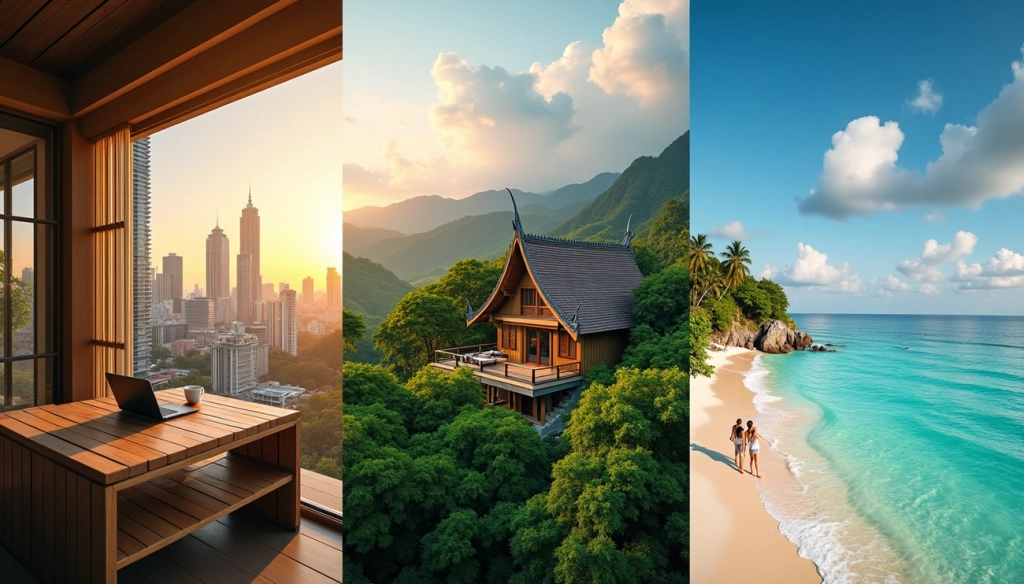
Thailand stands as the 8th best country for expats based on InterNations’ 2022 survey, making it an incredible place to call home when you’re ready for an overseas adventure. The numbers speak for themselves – about 3 to 4 million expats have already made this Southeast Asian paradise their home, representing 5-6% of Thailand’s total population.
The reasons behind Thailand’s popularity among foreigners are clear. Living costs here are 45.2% lower than the United States and 35% lower than the United Kingdom. The country ranks as the 4th best globally when it comes to affordability. You’ll find diverse options here. Bangkok buzzes with 14 million residents, while Chiang Mai offers rich cultural experiences. Beach lovers can head to places like Hua Hin, where spacious apartments cost just 8,000 Baht per month.
Let me share my insights about the six best places to live in Thailand. My recommendations come from both personal experience and thorough research. Whether you work remotely, plan to retire, or want to start fresh with your family, you’ll find which Thai destination feels right for you.
Bangkok: The Urban Powerhouse
Bangkok stands as Thailand’s capital city with over 14 million people. Most expatriates choose this bustling metropolis as their new home in the Land of Smiles. The city offers modern amenities, international connections, and opportunities you won’t find anywhere else in the country.
Cost of living and convenience
Life in Bangkok costs nowhere near what you’d pay in most world capitals. The numbers tell the story – consumer prices including rent are about 62% lower than New York. This makes Bangkok an attractive choice if you want city living without breaking the bank. A single person needs around 21,631฿ (504£) monthly without rent. A family of four should budget roughly 78,870฿ (1,838£).
Your housing costs will vary based on location and what you’re looking for. Prime area one-bedroom apartments run 15,000-30,000฿ monthly. Similar places outside the center go for 7,500-20,000฿. Modern condos come with pools, gyms, and 24-hour security – extras that would cost a fortune in Western cities.
Getting around Bangkok is a breeze. The BTS Skytrain and MRT subway offer clean, quick travel above and below the busy streets. A one-way ticket sets you back just 38฿, while monthly passes cost about 1,200฿. Motorbike taxis and Grab rides fill in the gaps with reasonable fares for shorter trips.
Best neighborhoods for expats
The area called “Core Sukhumvit” from Nana to Ekkamai beats as the heart of expat life in Bangkok. This stretch includes distinct neighborhoods that match different lifestyles and budgets:
Sukhumvit Lower (Nana to Asok): This multicultural hub buzzes with nightlife, restaurants, and shopping. It’s perfect if you love energy and central living.
Sukhumvit Middle (Phrom Phong to Ekkamai): The upscale area shines with luxury malls, fine dining, and modern condos. Japanese expatriates and professionals flock here for refined living.
Thonglor: Bangkok’s trendiest spot sparkles with cool cafés, boutique shops, and stylish bars. Creative professionals love it here, though prices match the premium vibe.
Sathorn and Silom draw business professionals in finance and corporate sectors. These areas blend luxury condos and international offices with relaxed residential streets.
Ari offers a community feel with unique boutiques and cool cafés at better prices. Phra Khanong mixes traditional Thai neighborhood charm with modern conveniences.
Pros and cons of city life
Bangkok’s advantages shine through:
The city’s exceptional value stands out. Local restaurant meals cost just 65-186฿, so eating out becomes part of daily life. World-class hospitals provide top-notch care at a fraction of Western prices.
Entertainment options never end. Shopping malls, cultural spots, and vibrant nightlife surround you. Bangkok’s role as Southeast Asia’s transport hub makes regional travel easy and affordable.
Real challenges exist:
The legendary traffic can turn quick trips into long adventures. Air quality becomes a concern, especially during dry winter months.
The heat and humidity challenge many newcomers from cooler places. Temperatures often hit 40°C with high humidity. You’ll need air conditioning running most of the time.
These challenges aside, Bangkok’s benefits win over most expatriates. The mix of affordability, convenience, and excitement creates an appealing package for anyone seeking urban life in Southeast Asia.
Chiang Mai: The Cultural Capital
Chiang Mai, Thailand’s northern cultural jewel, sits peacefully among misty mountains and ancient temples. This city of 200,000 residents beautifully blends traditional Lanna heritage with modern amenities. Life here feels authentically Thai yet remains accessible to more people from abroad.
Why digital nomads love it
Chiang Mai has become “the digital nomad capital of the world” and with good reason too. Life here is budget-friendly—you can live comfortably for under ฿37,866 monthly, and modern studio apartments start at just ฿8,709. The savings don’t stop there. Local restaurants serve meals for as little as ฿50-70.
The city boasts reliable digital infrastructure. You’ll find highspeed fiber internet (200-500 Mbps) for just ฿550-600 monthly. The city has plenty of coworking spaces and cafes that make remote work a breeze. Punspace, Yellow, and OpenHub are some popular spots.
The community here makes Chiang Mai special. Entrepreneur Sam Marks puts it well: “I think it’s the best place I’ve ever been in terms of work-life balance”. Remote workers can join regular meetups, events, and conferences. The annual SEO Conference draws more than 800 digital nomads, and many call Chiang Mai their home base.
Weather and air quality concerns
Chiang Mai’s weather follows clear seasonal patterns. The best weather shows up from November through February. Daytime temperatures stay in the 80s-90s°F, while nights can cool down below 60°F. Clear skies and sunshine make this “winter” season perfect for everyone.
The picture changes from February through April. This “burning season” hits hard when farmers in northern Thailand, Myanmar, and Laos burn their agricultural waste. The result? Dangerous smog conditions. Things got really bad on April 6, 2023—Chiang Mai’s PM2.5 reading reached 223, almost 15 times above WHO’s daily limit. Many expats leave the city during these months.
Summer heat (March-May) pushes temperatures above 100°F. The monsoon season follows from June through October, bringing relief from both heat and pollution.
Job opportunities and lifestyle
The city offers more than just remote work opportunities. International schools need English teachers and provide training through local universities. Chiang Mai’s famous handicraft industries welcome creative talent. The tech sector grows too, with openings in IT, digital content, and software development.
Thailand taxes fiscal residents (those staying over 180 days yearly) on a progressive scale. Rates start at 0% for incomes below ฿150,000 and go up to 35% for earnings over ฿4,000,000.
Life in Chiang Mai mixes old and new perfectly. The cultural capital of northern Thailand celebrates festivals year-round. The pace feels more relaxed than Bangkok. You’ll find everything you need—gyms (฿963 monthly), international restaurants, and top-notch healthcare.
Housing choices fit every budget. Basic places outside the Old City go for ฿6,000-8,000 monthly. Trendy Nimmanhaemin area offers upscale one-bedrooms starting at ฿12,000. Most modern condos come with pools, gyms, and security.
Chiang Mai strikes a perfect balance between cultural authenticity and modern comfort. One expat sums it up nicely: “Life in Chiang Mai is easy, easier than what you might imagine”. Just remember to think over the seasonal challenges and visa rules, which usually need updates every few months unless you have work permits for longer stays.
Phuket: Island Life with Modern Comforts
Phuket, Thailand’s largest island, blends tropical paradise with modern living. This Andaman jewel draws both tourists and people looking to build a new life here. The white-sand beaches, turquoise waters, and lush landscapes come together with modern amenities that make expats fall in love with the place.
Tourism vs. long-term living
Millions of tourists visit Phuket each year, but living here is different from just taking a vacation. People who move here often experience what locals call the “vacation mindset phenomenon” – they keep feeling like they’re on holiday even though they live here. This can be both amazing and tricky when you’re trying to set up a routine.
Living in a tourist hotspot has its perks. You get to enjoy international food, great entertainment, and top-notch facilities built for visitors. The best part comes during low season when tourist numbers drop – locals can use resort facilities, join activities, and eat at restaurants at much lower prices without the crowds.
The right neighborhood makes all the difference for a comfortable life here. Patong, Kata, and Karon are tourist spots with higher prices and a commercial feel. Many expats choose Chalong instead. While it’s not on the beach, Chalong gives you easy access to everything you need – supermarkets, international schools, and hospitals.
Cherng Talay and Laguna work great for families because of their international schools, safe beaches, and resort facilities. People who want to experience real Thai culture often pick Phuket Town. The island’s historic center shows off colorful Sino-Portuguese buildings, cool cafés, and a laid-back city vibe.
Healthcare and education options
Phuket has become Southeast Asia’s top healthcare spot, treating over 2.3 million international patients every year. You’ll find several internationally certified hospitals here that match Western standards but cost less.
Bangkok Hospital Phuket leads the pack with its Joint Commission International certification. Phuket International Hospital and Vachira Phuket Hospital also offer English-speaking staff and specialist departments. Expats need private health insurance here. A detailed plan costs between THB 62,134 and THB 86,059 yearly for Thai hospitals, or THB 95,697 to THB 133,907 for international coverage.
Expat families can choose from several quality international schools that follow British, American, or International Baccalaureate programs. The top schools include British International School Phuket, United World College Thailand, and HeadStart International School. School fees are a big expense – expect to pay THB 200,000 to THB 400,000 yearly for kindergarten and early years, and THB 400,000-750,000+ for primary and secondary education.
Cost of living on the island
Life costs more in Phuket than mainland Thailand but still beats Western prices. Your expenses depend on how you live and where you stay, with beachfront spots costing the most.
A couple living comfortably in a nice area spends between THB 79,174 and THB 158,348 monthly for rent, food, transport, utilities, and fun. The quiet south and upscale north cost more, while Phuket Town offers better deals.
Housing takes the biggest chunk of your budget, and prices vary by location. A one-bedroom condo in Cherng Talay/Laguna runs THB 25,000-45,000 monthly, while Rawai offers similar places for THB 15,000-25,000. Three-bedroom pool villas start at THB 50,000 in Rawai but jump to THB 80,000-180,000+ in prime spots like Laguna.
Basic utilities (electricity, water, internet) cost THB 2,065-3,500 monthly for a typical apartment. Running multiple air conditioners in bigger homes can push this up. Food costs depend on your choices – shopping at local markets and eating Thai food costs a couple THB 10,000-12,000 monthly, but imported goods and Western restaurants can easily pass THB 20,000.
Phuket fits different budgets: THB 27,538-44,750 monthly for basic living, THB 65,404-110,155 for a European standard of life, and over THB 216,868 for luxury.
Koh Samui: A Tropical Balance
Koh Samui stands apart from Thailand’s packed tourist spots with its balanced island lifestyle. This jewel in the Gulf of Thailand moves at its own rhythm, different from the country’s busy wellness centers, and keeps its genuine character despite new luxury developments.
Who Koh Samui is best for
People looking to balance work and life without giving up modern comforts will love Koh Samui. The island attracts remote workers and digital nomads with its reliable Wi-Fi, co-working spaces, and cafés that come with amazing views. You can set your own schedule here – work in the morning and relax in the afternoon, or plan your day around island activities instead of strict office hours.
Koh Samui works great for families because it’s safe and has strong community ties and good schools. Several international schools follow the British system, including Panyadee British International School. Many expat families say their children feel more relaxed and centered here compared to life in ever-changing cities.
The island draws wellness seekers with its mix of genuine Thai wellness traditions and high-end luxury standards. Away from tourist areas, Thai culture remains alive in everyday island life. Local temples welcome you to meditate, and morning markets sell fresh local produce.
Transport and infrastructure
Koh Samui has grown while keeping its island charm. The international airport connects directly to major Asian cities like Bangkok, Singapore, and Hong Kong, making it easy to visit for short breaks or longer stays.
The island’s transport system has:
- A 51-kilometer ring road that goes around the island
- Regular songthaews (converted pickup trucks) as cheap public transport
- Taxis and ride-sharing services like Bolt
- Motorbike and car rentals if you want more freedom
Healthcare here has really stepped up, with Bangkok Hospital Samui leading the way. The island’s tech setup meets both local and international needs, with 4G coverage and high-speed internet in most places.
Community and expat life
Koh Samui’s expat community creates a welcoming atmosphere that helps newcomers settle in quickly. The Samui Expats Club, started in 2005, brings expats and Thais together through monthly events at luxury resorts. Members come from many countries – Britain, America, Thailand, Germany, France, Italy, and Russia – making it a truly diverse group.
Sports and fitness bring locals and expats together naturally. Beach volleyball games, running groups, CrossFit classes, and charity events help build friendships across cultures. These activities help expats feel like they belong on the island.
Life as an expat here means becoming part of the community, not staying separate from it. A local community platform puts it well: residents are “a good bunch of people all looking to improve our own lifestyle and that of Samui locals by supporting local business, sharing great experiences and forming new friendships”.
Koh Samui hits the sweet spot for anyone wanting to live in Thailand. It mixes development with natural beauty, city conveniences with island pace, and expat comfort with authentic Thai culture. This makes it perfect for those who want something between big-city living and rural life.
Find your dream Property in Pattaya & Thailand

Arom Wongamat Condo For Sale
- ฿13,480,000
- Bed: 1
- Bath: 1
- 47.85 Sqm
- Condo

Empire Tower Condo for Sale Pattaya
- ฿7,690,000
- Beds: 2
- Baths: 2
- 63.08 Sqm
- Condo

Atlantis Condo Resort Condo
- ฿4,400,000
- Beds: 2
- Baths: 2
- 63.71 Sqm
- Condo

New Nordic Trend 3 Studio Condo for Sale in Pratumnak (Phatumnak) – City View | Foreign Name
- ฿1,060,000
- Beds: Studio
- 26 Sqm
- Condo
Hua Hin: Quiet, Connected, and Family-Friendly
Hua Hin has come a long way from its days as the royal family’s beach getaway. This peaceful coastal town now attracts expats who love its mix of affordable living and modern comforts. The laid-back seaside lifestyle makes it a hit with retirees and families looking for a quiet but well-connected home in Thailand.
Proximity to Bangkok
The town sits just 200 kilometers south of Bangkok – a huge plus for residents. A car trip takes about 2.5-4 hours depending on traffic. The newly upgraded train station, finished in December 2023, makes travel even easier.
Getting around is simple even without a car. You can take a private air-conditioned car for ฿1,721 or hop on a comfortable bus for ฿344. The train offers a scenic route right into central Hua Hin. The local airport connects to Kuala Lumpur through Air Asia flights, opening doors to international travel.
The easy access to Bangkok lets residents enjoy small-town life without giving up big-city perks. Quick weekend trips to the capital are a breeze, giving you the best of both worlds.
Cost-effective living
Life in Hua Hin won’t break the bank. Single expats usually spend ฿30,000-40,000 monthly, while retired couples live comfortably on ฿50,000-70,000.
Housing costs are a pleasant surprise. You can rent one-bedroom apartments away from tourist spots for ฿12,048-20,654 monthly. Luxury seekers will find pool villas and western-style homes in gated communities starting at ฿30,981.
Bills stay reasonable too. An 85sqm apartment’s utilities run between ฿1,700-5,500 monthly, and fast internet (60+ Mbps) costs just ฿450-1,100.
Food fits any budget. Street food costs ฿40-80 per dish, local restaurants charge ฿100-150 per meal, and mid-range spots serve three-course meals for two at ฿750-2,500. Fresh food is a bargain – chicken filets cost about ฿96/kg.
Entertainment and schools
Parents have good education choices in Hua Hin. Five international schools offer British, American, and International programs. Hua Hin International School (HHIS) – a 9-year old IB World School – and Beaconhouse Yamsaard with its Cambridge English Program stand out.
Yearly school fees range from ฿144,000 at Beaconhouse Yamsaard to ฿712,050 at HHIS. Families love these options without Bangkok’s traffic and high costs.
The town packs plenty of family fun in its safe, clean environment. Everything sits close by thanks to the compact layout. Cultural events from jazz festivals to art shows keep everyone busy. Nature lovers have pristine beaches to explore, while wellness options are affordable – monthly yoga costs ฿1,549 and Thai massages run ฿344 for 1.5 hours.
This mix of peace, value, and modern amenities makes Hua Hin a top choice for people seeking a balanced Thai lifestyle.
Chiang Rai: Nature, Peace, and Simplicity
Chiang Rai, Thailand’s northernmost province, welcomes those who want a peaceful life close to nature, away from tourist crowds. The area blends Thai, Burmese, Laotian, and Chinese cultures into something special you won’t find anywhere else in the country.
Outdoor lifestyle and scenery
The natural beauty of Chiang Rai will take your breath away. Mountains stretch across the horizon, hiking trails wind through lush forests, and green spaces seem endless. Nature enthusiasts can discover beautiful waterfalls, including the towering 70-meter Khun Korn and the stunning nine-level Pu Kaeng. The province lets you stay active with river rafting and tea plantation visits, perfect if you love spending time outdoors.
Distance from major hubs
The city sits 497 miles north of Bangkok and 122 miles from Chiang Mai. Life here means embracing a more remote setting. The road system to Chiang Mai has improved substantially, and the drive now takes under three hours. The Golden Triangle, where Thailand meets Myanmar and Laos, is just 49 miles away and adds to the area’s cultural charm.
Ideal for retirees and nature lovers
People who dream of a peaceful country life are drawn to Chiang Rai. Living costs stay affordable while modern amenities remain within reach. You can find homes ranging from simple bungalows in the countryside for ฿1,500 monthly to properties in sought-after areas like Huay Pla Kang and Ban Mai. Four private hospitals provide good healthcare, making this place perfect for retirees who want tranquility without giving up life’s essentials.
Conclusion
Thailand has something special for every type of expat. This piece explores a variety of locations that match different lifestyles, budgets, and priorities. Each place shines with its own character and benefits.
Bangkok stands out as an urban hub that’s surprisingly affordable. Chiang Mai draws digital nomads and people who want rich culture at lower costs. Phuket and Koh Samui each offer their own take on island living. Phuket comes with more development and tourist spots, while Koh Samui takes a more balanced approach to tropical life.
Hua Hin catches the eye of families and retirees because it sits close to Bangkok, costs less to live in, and moves at a slower pace. Nature lovers will without doubt love Chiang Rai’s simple lifestyle and stunning landscapes.
Your perfect spot ended up depending on what matters most to you. Digital nomads tend to pick Chiang Mai or Bangkok for their reliable setup and communities. Retirees often choose Hua Hin or Chiang Rai where peace and good value await them. Families might feel more at home in Koh Samui or Bangkok with its many facilities.
The weather plays a most important role in this choice. The north sees different seasons with a tough burning period, while the south stays tropical all year with some monsoons thrown in.
Most expats move at least once after they arrive. They need time to find the place that feels like home. This journey becomes part of their adventure. Many settle in spots they never thought about after they’ve seen what Thailand really offers.
Life as an expat in Thailand keeps changing as better facilities pop up and communities grow larger. No matter which place you pick, getting to know the local culture, learning simple Thai phrases, and making friends with locals and other expats will make your time here better. Thailand welcomes you with its famous warm heart – you just need to choose which part of this amazing country speaks to you most.


