
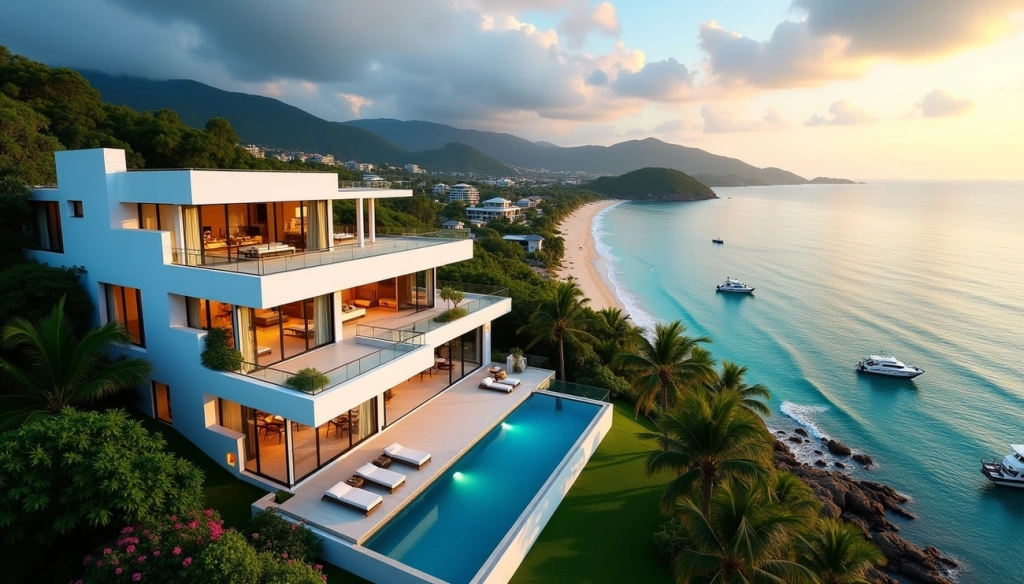
Want to earn exceptional returns on your investment capital? Phuket’s property investments now yield 8-15% annually through short-term rentals. These numbers are a big deal as it means that they beat the usual 6-8% from long-term rentals. The island’s real estate market shows amazing growth. CBRE Thailand reports that condominium sales jumped 201% compared to last year, while villa sales rose 148% in 2024.
Phuket’s property scene has grown amazingly in the last five years. Developers launched 45,066 new residential units between 2021-2025, with total investments reaching 469.7 billion baht. High-quality villas near beaches and amenities earn 6-10% yearly returns. These villas make attractive options for investors who want strong returns along with lifestyle perks.
The market keeps gaining momentum. Phuket welcomed more than 72 new projects by 2025’s end. These projects added over 10,300 units worth 81.6 billion baht. Some projects sold 50-70% of their units in under a month. These numbers show real buying power and steady market demand. In this piece, you’ll find what drives these record-breaking yields, which properties perform best, and how to get the most from your investment in Phuket’s booming property market.
What’s Driving Record Yields in Phuket Property Investment
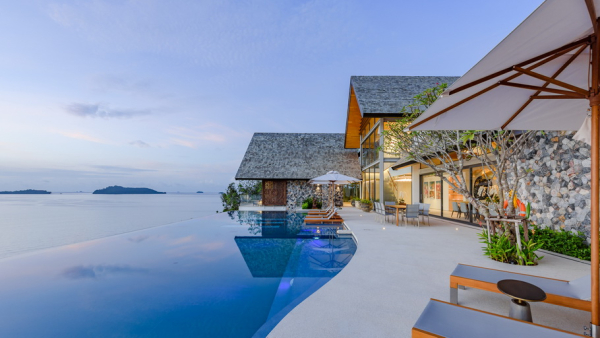
Phuket’s property investment yields are hitting record highs due to several factors that lined up perfectly in 2026. Traditional investment markets have hit a plateau, but Phuket offers something special. The island’s strong tourism, new work patterns, and supportive government policies have created an investment scene that Thailand’s property sector has never seen before.
Tourism recovery and year-round demand
Phuket’s tourism industry looks completely different now compared to the pandemic years. The island attracts over 10 million international visitors each year – a 35% jump from pre-pandemic numbers. On top of that, visitors now stay longer, with average stays increasing from 4.7 to 7.3 days. This creates a much higher rental demand.
The old pattern of high and low seasons has started to fade away. Back then, May through October saw occupancy rates drop below 40%, which worried property investors. Now the island keeps average occupancy rates above 65% even during these traditionally slower months. This steady, year-round demand plays a vital role in driving rental yields up.
Visitor patterns have changed by a lot too. Chinese tourists still lead at 28% of arrivals, but there’s been massive growth from other markets. Middle Eastern visitors are up 175% since 2023, Indian tourists increased by 89%, and Russian visitors now stay 3-4 weeks instead of just 10-14 days.
These longer-staying guests often choose villas over hotels. This benefits owners of Phuket property investment villas who can charge premium rates while keeping their properties occupied throughout the year.
Digital nomads and long-stay residents
The biggest game-changer driving record yields comes from the surge of digital nomads and long-stay residents choosing Phuket as home. About 18,000 digital professionals now stay between 3-11 months yearly, creating a stable rental market that fills the gap between short-term holiday rentals and traditional long-term leases.
These digital migrants look for:
- High-speed internet (minimum 100 Mbps)
- Dedicated workspace within properties
- Access to co-working facilities (now 24 across the island)
- Community-focused developments with shared amenities
Some areas of Phuket attract more digital nomads than others. Cherng Talay, Kamala, and Rawai have become popular spots because they offer the right mix of amenities, community feel, and better prices compared to premium areas like Surin or Kata.
Properties that cater to this market earn 15-25% more than similar units marketed just for vacation rentals or long-term residential use. Many digital nomads end up buying property themselves, creating a positive cycle that strengthens Phuket’s property investment ecosystem.
Visa policies and remote work trends
Thailand’s changing visa rules have helped reshape the market. The Long-Term Resident (LTR) visa launched in 2022 and the Digital Nomad Visa in 2025 removed many obstacles that used to stop long-stay visitors and remote workers.
Recent numbers show that 42,000 professionals now hold these special visas across Thailand, with Phuket attracting about 28% of them. This creates a steady flow of potential tenants who value quality homes and will pay extra for properties that meet their needs.
Remote work has grown faster than anyone expected. Recent surveys show 47% of knowledge workers can now choose where they work, up from 31% in 2024. This global trend benefits Phuket’s property market as professionals pick their living locations based on lifestyle rather than office location.
Property investors now see rental yields in well-located Phuket properties consistently beating similar investments in Bangkok, Pattaya, or even Bali. Strong tourism recovery, growing numbers of digital nomads, and friendly government policies create perfect conditions for record-breaking returns on Phuket property investments.
Short-Term vs Long-Term Rentals: Yield Comparison
The key to maximizing your returns in Phuket property investment lies in knowing the basic differences between short-term and long-term rental strategies. Each option comes with its own set of benefits and challenges that affect your profits.
Short-term rental yields in 2026
The numbers make a strong case for short-term rentals in Phuket’s market today. Property investors can expect gross yields between 8-15% annually in the short-term rental market. These results are best seen in professionally managed properties near beaches and tourist hotspots.
Short-term rentals stand out because of their flexible pricing. A well-located villa can earn two or three times more than long-term rentals during peak season. Owners can adjust their rates based on holidays, festivals, and special events to maximize earnings.
The ROI for short-term rentals usually ranges from 8-12% annually. These numbers represent the best returns in Phuket’s property market, but you’ll need good marketing and smooth guest management to achieve them.
The best performing short-term rentals have these features:
- Prime location within walking distance to beaches or attractions
- Professional photography and strong online presence
- Responsive guest communication systems
- Regular property updates and maintenance
Long-term rental stability
Long-term rentals offer lower but steady returns. The gross yields typically range from 6-8% annually, while net yields after expenses fall between 3.8-6.2%.
Long-term rentals shine because of their reliability. You get steady monthly income with less risk. This predictable cash flow makes it easier to plan your finances and creates passive income that needs minimal attention.
The vacancy rates for long-term rentals in Phuket stay between 7-10%. This means your property might be empty for about one month each year—a low number that helps maintain steady income.
Long-term rentals work best for investors who want peace of mind over maximum profits. This option suits people who:
- Live overseas and prefer minimal involvement
- Value stable, predictable income
- Want to minimize property wear and tear
- Prefer lower management intensity
Operational costs and management
Operating costs in Phuket usually take about 2 percentage points from your yields. This means 25-33% of your gross rental income goes to expenses—an important factor in calculating real returns.
Short-term rentals have higher running costs. These include:
- Frequent cleaning and maintenance
- Utility costs (typically covered by the owner)
- Marketing and listing fees
- Guest communication and check-in services
- More frequent furnishing replacements
Vacancy and turnover hit your profits the hardest, often leading to 1-2 months of lost rent yearly. This happens more in seasonal areas like Patong or Kamala.
Property managers charge between 8-12% of collected rent. Finding tenants for long-term rentals costs about one month’s rent as a fee.
Your goals and preferred level of involvement should guide your strategy choice. Short-term rentals bring better profits if you can manage them actively or hire someone to do it. Long-term rentals give you stable returns with less work if you want a hands-off investment.
Both strategies work well in Phuket’s current property market, especially for villas. The island’s growth makes either choice viable for investors.

Luxury Villa in Mabprachan Pattaya for Sale

1 Bedroom Cozy Beach Sea View Condo for Sale
The View Cozy Beach Residence, Pattaya 7 Alley, Pattaya City, Bang Lamung District, Chon Buri, Thailand
2 Bedroom Atlantis Condo Resort for Sale
Atlantis Condo Resort Pattaya, Jomtiensaineung Road, Pattaya City, Bang Lamung District, Chon Buri, Thailand
Arom Wongamat Condo For Sale
Pho Samphan Alley, Pattaya City, Bang Lamung District, Chon Buri 20150, Thailand
Condominiums vs Villas: Which Performs Better?
The biggest decision Phuket property investors face in 2026 goes beyond rental strategies. You’ll need to choose between condominiums and villas. This choice will substantially affect your investment performance.
Yield expectations by asset type
The gap in returns between condominiums and villas keeps growing in Phuket’s market. Condos give more stable returns with less ups and downs. They benefit from professional rental pools, steady tourist demand, and lower running costs. Investors who want reliable cash flow find this stability appealing.
Villas can earn much more per night. Well-managed properties achieve impressive gross yields of 7-10%. The best-performing villa locations show these returns:
- Layan/Surin: 8-10% gross yields (luxury segment)
- Rawai/Nai Harn: 7-8% (consistent year-round demand)
- Bang Tao/Cherng Talay: 6-9% (short-term luxury rentals)
Properties with professional management outperform private rentals by 30-50%. This happens through multi-platform marketing, smart pricing, and better guest services.
Ownership structures and legal considerations
The legal framework creates key differences between these properties. Foreign investors can buy condominiums directly through freehold ownership. The only rule is that foreign ownership can’t exceed 49% of the total saleable area in any development. This makes condos the simplest way to invest in Phuket property.
Phuket property investment villas are more complex because Thai law doesn’t allow foreigners to own land directly. Villa investors usually pick one of these options:
Leasehold arrangements – You get 30-year leases, often with options for two more renewals. The Thai government guarantees the first 30 years, but renewals are just contractual promises.
Thai company structure – You set up a real Thai business where foreigners own up to 49% of shares. Remember: This must be an actual operating company, not just a shell for holding property.
Building ownership – You can legally own the villa structure built on leased land.
Condominiums give foreign investors the clearest legal protection if they want outright ownership.
Phuket property investment villas: pros and cons
Phuket property investment villas shine despite their legal complexities. They can charge much higher nightly rates from families and groups who want privacy and exclusive features. High-net-worth individuals who value space, exclusivity, and premium experiences drive up demand for luxury villas.
Villas offer these extra benefits:
- Better capital appreciation, especially in prime locations with limited land
- More privacy and control over guest experience
- Higher rental rates during peak seasons
- Appeal to digital nomads looking for long-term luxury stays
These advantages come with trade-offs. Villas cost more upfront, with luxury options starting at $1.5 million. You’ll also pay more for ongoing costs like pool maintenance, garden care, and repairs – even when the villa sits empty.
The biggest challenge? Villa income varies more. Even properties that do great in high season might sit empty in quiet periods, which can eat into yearly returns.
The bottom line? First-time Phuket investors who want simplicity and stability should look at condominiums. Villas might give you better returns and appreciation but need more money, hands-on management, and comfort with complex legal structures.
Top Performing Locations in 2026
Location is the life-blood of Phuket property investment success in 2026. Different areas across the island show varied yield profiles. Investment performance now depends heavily on geographic position, access to infrastructure, and local amenities.
Bang Tao and Cherng Talay
Bang Tao and Cherng Talay have become Phuket’s most vibrant lifestyle-residential hub. The area thrives thanks to its perfect mix of beach access, international schools, dining spots, retail options, and resort facilities. This detailed ecosystem draws both long-term residents and vacation visitors.
Master-planned projects dominate the area instead of random developments. This helps maintain quality and rental performance. Properties in Bang Tao see yearly price jumps of 10-15%. Strategic investments consistently yield 6-8% returns.
Projects like The Zero Bang Tao show how the area focuses on easy access, great amenities, and year-round occupancy. The surrounding villa estates attract buyers who value space and privacy more than pure returns.
Kamala and Layan
Kamala has grown into a premier luxury spot in 2026. The area perfectly balances high-end northern developments with the authentic charm of its southern village. It sits between lifestyle and investment sweet spots, offering a calmer vibe than Patong while still pulling in holiday renters.
Strategic properties in Kamala yield 8-10% returns. Prime beachfront villas rent for THB 150,000-400,000 monthly, while luxury condos fetch THB 60,000-150,000. Well-managed properties in prime spots can yield over 10% annually.
Layan represents the premium end of Phuket’s residential market. Low density, hillside locations, and premium beach access define this area. Properties here showcase views, privacy, and architectural excellence. Prices reflect the lack of available land rather than just rental returns. Buyers here typically plan for longer holds and personal use.
Rawai and Nai Harn
Rawai and Nai Harn appeal to long-term residents, retirees, and families more than tourists. Rawai provides a peaceful escape from Phuket’s busy tourist centers with its relaxed coastal town feel.
Rental yields here range from 7-8%, with steady year-round demand. While slightly lower than west-coast tourism hubs, these returns come with longer tenancies and more stability. These areas work best for buyers who value livability over quick returns.
New projects like Rawayana North Condo (from ฿6.48M) and Rawayana Villas (฿19.8M-฿24.8M) show the area’s growth. The south zone grows more appealing due to its closeness to scenic Promthep Cape, casual beachfront seafood spots, and lower entry prices.
Patong hillside zone
Patong remains Phuket’s top investment spot through 2026, showing remarkable market strength. Thailand’s tourism hub status ensures year-round rental demand.
The hillside zone stands out as a unique sub-market. It offers elevation, views, and quiet settings while maintaining strong rental demand. Properties here reach 75-80% occupancy in peak seasons and yield 6-10% annually.
Premium sea-view units in developments like ABOV Patong start at USD 290,000 (฿10.5 million). The broader market averages ฿140,000 per square meter. Patong’s hillside condos are among the strongest options in Phuket’s 2026 launches for yield-focused investors. They strike the perfect balance between premium position and tourism demand.
Each of these high-performing locations has unique advantages for Phuket property investment villas and condominiums. They cater to different investor goals and risk levels.
How Infrastructure is Boosting Property Returns
Infrastructure development serves as the hidden foundation that boosts Phuket property investment returns in 2026. Quality infrastructure is the foundation of successful property markets that makes areas more available, livable, and leads to better investor returns. The rise of Phuket’s infrastructure is changing the island from a seasonal tourist spot into a year-round international hub.
Airport expansion and connectivity
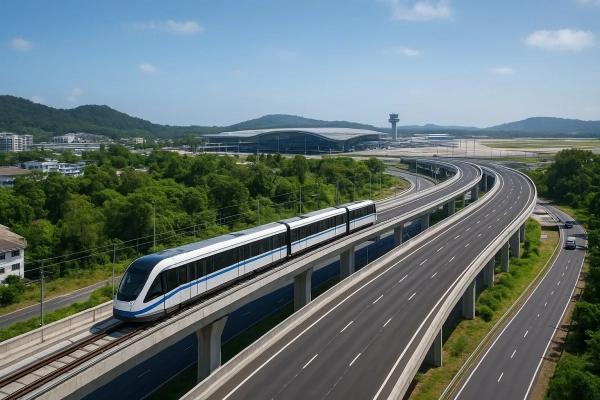
Thailand’s second-largest aviation gateway, Phuket International Airport, is going through a big expansion that affects property values. The Phase 2 expansion project wants to boost passenger capacity from 12.5 million to 18 million each year by 2029. Construction will start in 2026 with a ฿6.211 billion investment that will make the island more available to international visitors.
The future looks even brighter with the proposed Andaman International Airport in nearby Phang Nga. This ฿80 billion project can handle 22.5 million passengers yearly. The project should finish around 2030-2031 and will create a continuous connection between Phuket and the mainland.
Property demand grows faster when airport capacity increases. The previous terminal expansion in 2016 saw passenger numbers quickly go beyond capacity. This trend should continue as improvements help reach the goal of 20 million yearly travelers.
Road and utility upgrades
Property investments become more available thanks to major transportation improvements across Phuket. The proposed Kathu-Patong Expressway could change everything for property returns, especially for Phuket property investment villas in Patong’s hillside areas. On top of that, the Muang Mai–Koh Kaew–Kathu Expressway (with a ฿42.6 billion budget) will make key investment areas more connected.
Property values depend heavily on utilities infrastructure. Current projects include:
- Better water management systems that meet the island’s growing needs
- New wastewater treatment facilities for environmental responsibility
- Better solid waste management at Saphan Hin
- A planned Phang Nga-Phuket Water Pipeline that provides 120,000 cubic meters daily for about 35,000 new users
These upgrades fix the biggest problems that held back property appreciation in some areas. Developers and investors now know that well-serviced areas bring premium prices, and infrastructure quality plays a central role in investment choices.
Healthcare and education facilities
Healthcare infrastructure growth has become a surprising force behind Phuket property values. Bumrungrad International Hospital Phuket will be a landmark development when it opens in 2027. The first phase starts with 120 beds and plans to grow beyond 200 beds. This facility helps create stable, long-term property demand by:
- Making life better for permanent residents
- Helping premium lifestyle communities grow
- Drawing in retirees who want healthcare access
- Building investor trust in market fundamentals
Education infrastructure growth also helps property values rise. Phuket has more than 15 international schools, including British International School Phuket, UWC Thailand, BCIS, and HeadStart. This strong education system attracts expatriate families looking for long-term homes, which creates demand for quality properties.
These infrastructure investments are the foundations of confident real estate markets. Smart Phuket property investment strategists know how infrastructure development and property returns work together creates big advantages. Unlike short-term tourism trends, these structural improvements create strong, diverse demand patterns that support good yields in all market conditions.
Pricing Trends and Capital Growth Outlook
Phuket’s property values have shown amazing stability in the last two decades. This makes understanding price trends a vital part of any investment decision. Let’s take a closer look at the Phuket property investment market in 2026 and see what patterns emerge in pricing and growth potential.
Entry-level vs premium pricing
Property prices in Phuket vary based on type and location. The average condominium prices now stand at 140,000 THB per square meter across the island. This shows a 0.59% increase from last year, indicating stability after the post-pandemic price surge.
Villa prices range from 5.9 million THB to 255 million THB. You’ll find the most affordable villas in Patong, while Bang Tao hosts the priciest villa developments. Each area’s unique features drive these price differences, with prime locations demanding much higher rates.
New investors usually start with entry-level properties, but premium properties tend to grow more in value. Properties with sea views cost 20-30% more than those without. This is a big deal as it means that investors who can make the original investment often see better returns.
Freehold vs leasehold pricing impact
Property ownership type plays a huge role in Phuket’s pricing. Foreign freehold units cost 10-15% more than similar leasehold properties. This price difference reflects better security and resale value of freehold ownership.
Land Office registration fees also run higher for freehold properties. Smart investors weigh these upfront costs against the benefits of full ownership versus leasehold options.
Leasehold properties give budget-conscious investors an easier way into the Phuket property market. This leaves more money available for improvements or diversification. However, serious investors looking to protect their wealth long-term still prefer freehold options.
Land scarcity and zoning constraints
The lack of available land shapes Phuket’s pricing trends. Land prices have jumped 7.47 times in the last two decades (2004-2024), growing 10.7% yearly. Some areas saw even bigger increases – Rawai Beach prices multiplied by 14, Bang Tao Beach by 10.67, and Mai Khao Beach by 9 times.
Strict zoning rules add to this supply shortage. Building restrictions near beaches and on hillsides include:
- No building within 20 meters of high tide
- Maximum 6-meter height limits between 20-50 meters inland
- Height restrictions based on altitude above sea level
These rules, plus the 2024 regulation changes for land between 80-140 meters above sea level, limit supply. This supports Phuket property investment villas values and ensures price growth as demand keeps rising.
Who’s Buying? Investor Profiles in 2026
The Phuket property investment market has changed a lot by 2026. Global wealth patterns and investment priorities have shaped a new landscape. Learning about who buys Phuket real estate will help you understand this thriving market better.
Yield-focused vs lifestyle buyers
Two distinct types of buyers shape today’s Phuket property market. Each group has different goals. Yield-focused investors want strong financial returns. They look at rental income potential and how much the property value might grow. These buyers usually pick properties in tourist hotspots that have proven they can generate good rental income.
Lifestyle buyers take a different approach. They want properties that work both as investments and personal retreats. Sea views, privacy, and design quality matter more to them than pure financial returns. Many investors start with a focus on yields but end up caring more about lifestyle features as they grow to love Phuket.
These different buyer types influence everything from where they buy to how they spend their money. Yield-focused investors like ready-to-rent properties with professional management teams. Lifestyle buyers often spend extra on customizing their properties and adding luxury features.
Foreign buyer nationalities
The mix of foreign investors in Phuket has grown more diverse over the last several years. Chinese buyers used to dominate the condo market. Now they share the space with growing numbers of European, Russian, and Middle Eastern investors.
Russian buyers have shown special interest in Phuket property investment villas. They want both investment returns and possible long-term residency options. Investors from Singapore and Hong Kong see Phuket as a weekend getaway and a way to spread their investment risk.
American and European buyers often look for retirement homes or properties that work well for digital nomads, since they tend to stay longer. This mix of nationalities has created special market segments that cater to different cultural priorities and investment goals.
Diversification strategies
Smart investors now include Phuket property as part of their bigger investment plans. Many use what we call a “hub and spoke” approach. They buy a main home for themselves and add smaller rental units that bring in steady income.
Some spread their investments across different parts of Phuket. They mix high-yield properties in tourist areas with steady long-term rentals in residential neighborhoods. This strategy protects against local market changes while taking advantage of Phuket’s overall growth.
The 2026 market shows that Phuket offers many ways to earn returns. Each path needs its own approach, risk comfort level, and management style.
Risks and How to Mitigate Them
Phuket’s property market can give you attractive returns, but you need to understand and manage specific risks as a smart investor. You can maximize your Phuket property investment returns when you are willing to recognize and address these challenges early.
Tourism dependency
The local economy’s heavy reliance on tourism creates a major weakness for property investors. Tourism generates about 97% of Phuket’s total revenue, making it one of the world’s most tourism-dependent destinations. Property values and rental income can quickly drop during global economic downturns, pandemics, and political instability. The COVID-19 pandemic showed how rental income and property values can crash during unexpected crises, and some investors had to sell at a loss.
Oversupply in mid-range condos
The Real Estate Information Center has warned about too many units being built, especially when you have mid-range condominiums. New units jumped by 79.5% to 10,613 in 2025. The market now has 15,511 condominium units worth 126.622 billion baht, and 4,466 units remain unsold. New investors should be careful. High competition, price sensitivity, and excess inventory have caused new condo launches to drop by 25.3% in early 2025.
Currency and regulatory risks
Foreign investors face extra challenges from currency changes that can reduce rental income and resale profits. You also need to watch for regulatory changes in land lease terms and foreign ownership rules. Since late 2023, the Thai government has stepped up enforcement against illegal short-term rentals, giving fines to those without proper hotel licenses. These rule changes can affect your investment strategy and returns by a lot.
Operational and management issues
Many experienced investors don’t realize how complex it is to manage Phuket properties from far away. Common problems include:
- Poor maintenance that reduces property value
- Weak marketing that leads to longer vacancies
- Problems tracking expenses from overseas
- Unpredictable cash flow due to seasonal changes
Finding reliable property managers is vital since poor management can create big differences in income between similar properties. A full review of management companies helps you avoid those with bad practices, like ignoring messages, sending confusing reports, or promising unrealistic returns.
Conclusion
Phuket’s property market stands out as one of Thailand’s best investment spots in 2026. The returns here are hard to beat anywhere else in the world. Short-term rental yields range from 8-15%, which beats most traditional investments by a lot. Long-term rentals also deliver solid returns of 6-8% each year.
Several elements come together to create this amazing investment opportunity. Tourism runs strong all year round now. A growing community of digital nomads calls Phuket home. The government’s supportive policies have helped Phuket grow from a seasonal spot into an international hub. The island’s strong foundation keeps getting better with bigger airports, better roads, and improved healthcare facilities.
Your personal goals should guide your investment choices. Condominiums might work better if you want steady returns and simple ownership. Villas could be your best bet for maximum value growth, especially in prime spots like Bang Tao, Kamala, or Patong’s hillside area.
Location matters more than anything else, whatever type of property you choose. Each area has its own appeal. Bang Tao offers detailed amenities. Kamala strikes a perfect balance between luxury and local charm. Rawai attracts long-term residents. Patong pulls in tourists like no other area. These features affect both your rental income and property value growth.
The opportunities look great, but smart investors know the risks too. Tourism dependence, too many properties in some areas, changing rules, and property management can all cause headaches. You can protect your investment with proper research, professional management, and spreading your money across different properties.
Phuket’s real estate has shown amazing strength over 20 years. Land values have jumped more than seven times since 2004. The island’s natural beauty, limited land, and strict building rules point to more growth ahead.
Phuket gives you many ways to reach your investment goals, whether you want regular rental income, growing property values, or both. The island has become a year-round destination that appeals to many different types of people. This makes it perfect for investors who want strong returns and a great lifestyle in Thailand’s top resort destination.
FAQs
Q1. What are the current rental yields for Phuket property investments? Short-term rental yields in Phuket are currently ranging from 8-15% annually, while long-term rentals typically deliver 6-8% returns. These impressive figures are driven by strong tourism recovery, growing digital nomad presence, and favorable government policies.
Q2. Which areas in Phuket offer the best investment opportunities? Top-performing locations include Bang Tao and Cherng Talay for their comprehensive amenities, Kamala and Layan for luxury properties, Rawai and Nai Harn for long-stay residents, and the Patong hillside zone for its balance of views and rental demand. Each area offers unique advantages depending on your investment strategy.
Q3. How does infrastructure development impact property returns in Phuket? Ongoing infrastructure improvements, such as airport expansions, road upgrades, and new healthcare facilities, are significantly boosting property values and rental potential. These developments enhance accessibility, livability, and overall investor confidence in the Phuket real estate market.
Q4. What are the main risks associated with investing in Phuket property? Key risks include tourism dependency, potential oversupply in certain market segments, currency fluctuations, regulatory changes, and operational challenges for remote property management. Mitigating these risks requires careful planning, diversification, and potentially engaging professional property management services.
Q5. How do condominium investments compare to villa investments in Phuket? Condominiums typically offer more consistent returns with lower volatility and simpler ownership structures for foreign investors. Villas, on the other hand, can command higher rental rates and potentially greater appreciation, especially in premium locations. However, they often require larger initial investments and more complex ownership arrangements for foreign buyers.


