

2 Bedroom Condo in Wongamat Pattay for Sale
Wongamat Residence Condominium, Pho Samphan Alley, Pattaya City, Bang Lamung District, Chon Buri, Thailand
Luxury Villa in Mabprachan Pattaya for Sale

1 Bedroom Cozy Beach Sea View Condo for Sale
The View Cozy Beach Residence, Pattaya 7 Alley, Pattaya City, Bang Lamung District, Chon Buri, Thailand
2 Bedroom Atlantis Condo Resort for Sale
Atlantis Condo Resort Pattaya, Jomtiensaineung Road, Pattaya City, Bang Lamung District, Chon Buri, Thailand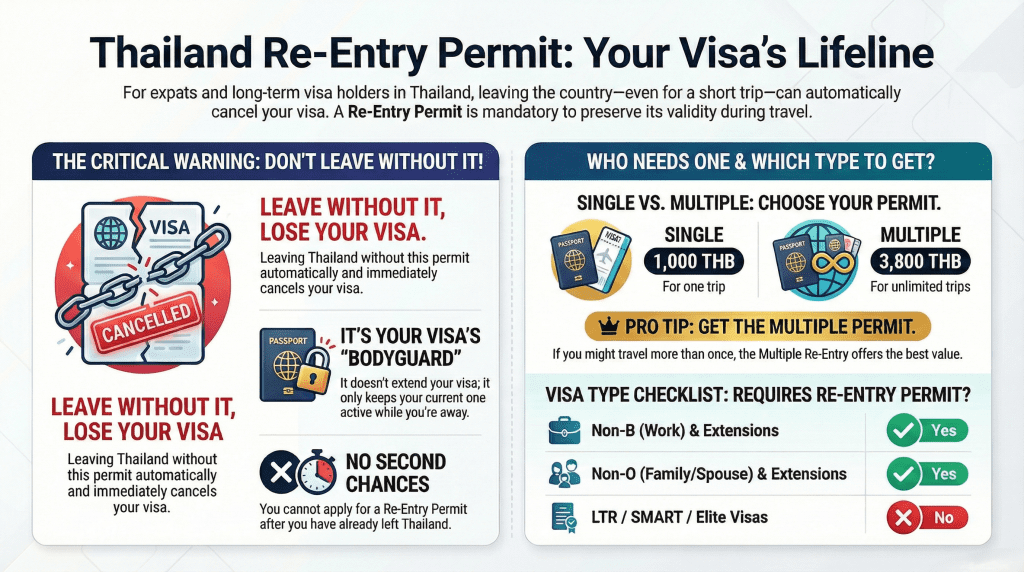
Understanding Visa Extensions and Re-entry Permits
The difference between visa extensions and re-entry permits is vital to understand if you plan to stay in Thailand long-term. These two elements work together to keep your retirement visa Thailand valid during your stay in the kingdom.
What is an extension of stay?
Your long-term residence in Thailand starts with an extension of stay. This extension determines how long you can stay, which is usually one year. Your visa-related permissions depend on this extension, and they become void once it expires.
You’ll need to visit your local Thai immigration office to get the extension. Retirement visa holders must submit a TM7 form and pay 1,900 THB. The extension lets you stay in Thailand beyond your original visa validity.
The best time to apply is about a month before your current visa expires. Some immigration offices, like Chiang Wattana in Bangkok, let you apply up to 45 days ahead. Unlike re-entry permits, extensions only deal with your right to stay in Thailand, not your travel privileges.
When and how to get a re-entry permit
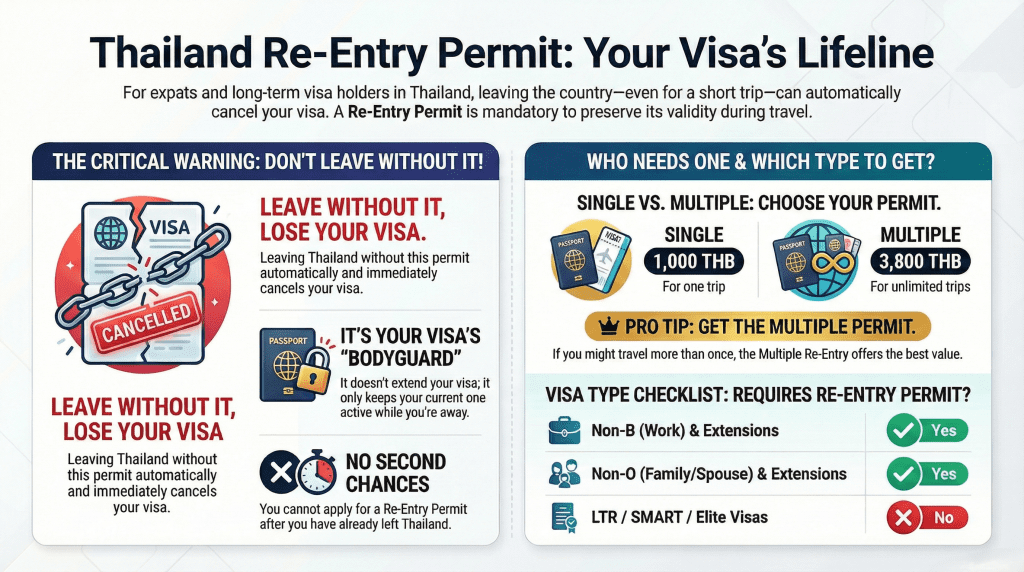
You’ll need a re-entry permit if you plan to travel outside Thailand while your visa is valid. Leaving the country without this permit will automatically cancel your extension of stay. This rule affects all retirement visa holders who want to keep their visa status while traveling.
You can choose between two types of re-entry permits:
- Single Re-Entry Permit: Costs 1,000 THB and lets you return once to Thailand
- Multiple Re-Entry Permit: Costs 3,800 THB and lets you exit and enter as many times as you want during your visa validity
There are two ways to get a re-entry permit:
- Visit any Thai Immigration Office before you leave
- Go to international airports’ immigration checkpoints on your departure day (takes about 15-30 minutes)
You’ll need these documents to apply:
- Current passport with Thai visa/entry stamp
- Photocopies of passport biodata page, amendment pages, recent entry stamp, and extension stamp
- Passport-sized photo
- Completed TM.8 application form
- TM.6 arrival card (if available)
Pattaya Legal Consultants helps retirement visa holders get their re-entry permits. Our team prepares all documents, goes with clients to immigration offices, and makes sure applications meet current requirements. We can also accelerate airport applications if you need to travel soon.
Avoiding visa cancelation when traveling
Many retirement visa holders mix up extension of stay with re-entry permits. This confusion leads to many retirees losing their visa status by leaving Thailand without proper documents.
Your extension of stay gets canceled right away if you leave Thailand without a re-entry permit. You’ll have to start the visa application process all over again when you return, which might cause problems with Thai immigration authorities.
Remember these key points:
- A re-entry permit doesn’t extend or pause your visa validity period
- You can’t use your visa to re-enter Thailand if it expires while you’re away, even with a re-entry permit
- Single re-entry permits work for just one return trip – you’ll need multiple single permits or a multiple re-entry permit for more trips
The multiple re-entry permit is the most economical solution at 3,800 THB if you travel often. This permit stays valid throughout your extension period, usually one year.
Pattaya Legal Consultants provides complete travel advisory services to retirement visa holders. We track visa validity periods, suggest the right re-entry permit based on how much you travel, and keep all documents up to date. Our connections with immigration offices nationwide help us solve potential issues before they affect your retirement experience.
Maintaining Your Retirement Visa in Thailand
You need to follow several rules to keep your Thailand retirement visa valid after you get it. Let’s look at what you must do to maintain your visa status.
90-day reporting requirements
Every foreigner who stays in Thailand for more than 90 days must tell immigration authorities where they live. This rule applies even if you haven’t moved. You need to report every 90 days while you’re in Thailand.
Here are your options to complete the 90-day report:
- In-person reporting at your local immigration office with your passport, TM.6 departure card, and previous notification receipts
- Postal notification by sending required documents via registered mail 15 days before your due date
- Online reporting through the immigration website (not available for first-time reporters)
- Authorized representative with power of attorney
The timing is significant – you can report 15 days before or up to 7 days after your due date. Missing this window means you’ll pay a 2,000 THB fine. The fine goes up to 5,000 THB if authorities find out about your missed report during other checks.
Pattaya Legal Consultants helps with complete 90-day reporting services. We manage your calendar, prepare documents, and represent you at immigration offices. Our clients never miss their reporting deadlines or face unnecessary fines.
Annual renewal process
You must renew your retirement visa each year to stay legal in Thailand. Start the renewal process 30-45 days before your visa expires. Your legal status could be at risk if you wait too long.
To renew, you must show you still meet these financial requirements:
- Keep 800,000 THB in a Thai bank account for at least 3 months before renewal (longer than the 2-month requirement for original applications)
- Or show proof of monthly pension income of at least 65,000 THB
- Or combine your deposit and income to reach 800,000 THB
You’ll also need current bank statements, proof of address, and 1,900 THB for the renewal fee. Make sure your health insurance stays active to meet the rules.
Pattaya Legal Consultants makes the renewal process easier for retirees. We track deadlines, prepare documents, and handle bank verification letters so your legal status never lapses.
Restrictions on employment
The biggest rule for retirement visa holders is about work – you cannot work at all. This includes online work, in-person work, paid work, or even volunteer work.
Thailand created retirement visas just for retirees, not for people who want to work. If you break these work rules, you could lose your visa, face deportation, and might be banned from getting future Thai visas.
Many retirees think it’s okay to work online for companies outside Thailand. However, all types of work go against retirement visa rules.
Pattaya Legal Consultants explains these restrictions clearly and helps clients understand what they can and cannot do. We can suggest other visa types that allow some work if retirees want to do business activities.
All the same, keeping your Thailand retirement visa is simple if you follow these main rules – report on time, renew yearly, and don’t work. This way, you can enjoy your retirement in Thailand without any problems.
Visa Options for Spouses and Dependents
Thai retirees often wonder about visa options for their family members. The Thai immigration system provides multiple ways for spouses and dependents to join retirement visa holders in the Kingdom.
Retirement visa for eligible spouses
Both partners aged 50 or above need to apply for their own retirement visa Thailand. Each person must show they meet the financial requirements with separate bank accounts holding 800,000 THB.
Some couples think they can pool their money to meet these requirements. Thai immigration authorities require each retirement visa applicant to meet the financial criteria independently. This policy ensures each person can support themselves during their stay.
Pattaya Legal Consultants helps couples through these dual application processes. They prepare separate documentation sets for both partners and work with Thai banks to verify individual financial requirements.
Dependent visa for underage or ineligible partners
Thailand provides a dependent visa option for spouses under 50 years old. The Non-Immigrant O (Dependent) Visa serves family members of foreigners who hold valid long-term visas in Thailand.
These people can apply for dependent visas:
- Legal spouse of the retirement visa holder
- Children under 20 years old (unmarried and living with family)
- Step-children under 20 years
- Parents over 50 requiring care (in special circumstances)
Dependent visas don’t need specific income requirements from the applicant. Immigration authorities look for proof that the main visa holder can support their dependent financially.
Pattaya Legal Consultants guides mixed-age couples and helps prepare documents that show the relationship between the retirement visa holder and their dependent spouse.
Required documents and renewal process
Proper documentation serves as the foundation of successful dependent visa applications. You need these papers:
- Valid passport (minimum 6-month validity)
- Completed visa application forms
- Recent photographs (typically 4x6cm)
- Marriage certificate (must be notarized for non-Thai marriages)
- Copy of the retirement visa holder’s passport, visa pages, and work permit (if applicable)
- Proof of adequate finances from the main visa holder
Approved dependent visa holders get permission to stay for 90 days. They must extend their visa before this period ends. The extension needs similar documents plus proof of ongoing relationship and financial support.
Dependent visa holders must visit immigration offices to renew their visa. They need to submit a TM7 form and pay a 1,900 THB fee. These visa holders cannot work in Thailand without getting a separate work permit.
Pattaya Legal Consultants supports dependent visa applications and renewals. They help families stay together during their Thailand retirement experience by ensuring all documents meet current immigration standards.
How Pattaya Legal Consultants Can Help

Professional help with your Thailand retirement visa application saves time and helps you avoid common mistakes. Legal consultants who specialize in Thai immigration make the complex process much simpler.
Document preparation and submission
Legal consultants excel at handling documentation requirements for retirement visas. Their services include:
- Complete document preparation for original applications and extensions
- Help with opening Thai bank accounts and getting verification letters
- Support to gather financial proof that meets immigration requirements
- Help to fill out TM.7 extension forms and other official paperwork
- Support with the new “e-Extension” online service that processes applications in just 3 minutes
Thai retirement visa rules change often. Expert consultants stay up to date with these changes to make sure your application meets current requirements without delays.
Liaison with Thai immigration offices
Legal consultancy firms have strong relationships with Thai immigration authorities nationwide. These connections are a great way to get:
- Someone to represent you with immigration officials
- Quick appointments that skip long waiting times
- Translation help during immigration meetings
- Solutions to problems before they affect your application
- Expert guidance through Thai immigration laws
Many consultants employ specialists with over 10 years of experience in Thai immigration cases. These experts know how to handle complex situations effectively.
Ongoing support for renewals and compliance
Getting a long-term visa in Thailand is just the start—you need to maintain it properly. Quality legal consultants provide:
- Reminders for 90-day reporting deadlines
- Support with yearly visa renewals
- Help to get proper re-entry permits
- Guidance on residence reporting requirements
- News about changes in retirement visa rules
Yes, it is crucial that reliable consultants prevent issues before they happen. They make sure your 90-day reports are done right to help you avoid 2,000 THB fines.
Professional help turns a complex bureaucratic process into something much simpler. You can relax and enjoy your retirement in Thailand’s tropical paradise while experts handle the paperwork.
Best Places to Retire in Thailand
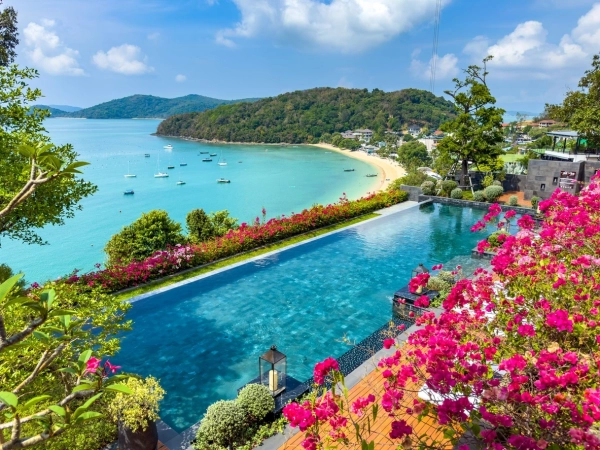
Thailand has many retirement destinations that charm retirement visa Thailand holders in their own unique ways. Forbes named four locations as the “Best Places to Retire Abroad in 2025”.
Bangkok: Urban convenience
The capital city has world-class healthcare, great shopping, endless dining choices, and global connections. About 250,000-300,000 expatriates call Bangkok home. This makes it perfect for retirees who want urban amenities that meet international standards.
Chiang Mai: Peaceful and cultural
This northern Thai city sits among mountains and gives retirees a peaceful setting steeped in culture with internationally accredited hospitals. The cost of living here is surprisingly low, which draws retirees looking for a simple yet high-quality life. The winter months bring cooler temperatures.
Phuket: Beach lifestyle
Thailand’s biggest island combines modern amenities, advanced medical care, and active communities. People seeking luxury living with Western-style comforts feel at home in Phuket. The island’s private hospitals meet high standards.
Pattaya: Vibrant expat scene
Just 90-120 minutes from Bangkok, Pattaya is home to 50,000-60,000 expatriates. The city comes with Western conveniences, plenty of social clubs, and healthcare that won’t break the bank.
Hua Hin: Coastal charm
This 100-year old royal resort town combines convenience with a relaxed atmosphere and an active expatriate community. The air quality in Hua Hin stays cleaner throughout the year compared to Chiang Mai.
Pattaya Legal Consultants helps with retirement visa applications in all these locations. They handle your paperwork and work with immigration offices wherever you decide to settle.
Conclusion
Retiring in Thailand offers a unique blend of affordability, quality healthcare, tropical climate, and welcoming communities that make it an exceptional choice for your golden years. The Thailand retirement visa process, though initially appearing complex, becomes manageable with proper preparation and understanding of the requirements.
Certainly, meeting the financial criteria forms the cornerstone of a successful application – either through maintaining 800,000 THB in a Thai bank account or demonstrating monthly income of at least 65,000 THB. Additionally, regular compliance with 90-day reporting and annual renewals ensures your continued legal status in the Kingdom.
Pattaya Legal Consultants specializes in simplifying this entire process for retirees. Our team handles everything from document preparation and bank account establishment to appointment scheduling and immigration office representation. We maintain ongoing relationships with Thai immigration authorities nationwide, ensuring our clients experience smooth processing of their applications and extensions. Furthermore, we provide comprehensive calendar management for 90-day reporting deadlines and keep clients updated about regulatory changes affecting retirement visas.
Whether you choose the cultural richness of Chiang Mai, the urban convenience of Bangkok, the island paradise of Phuket, the vibrant expatriate scene of Pattaya, or the royal resort charm of Hua Hin, Thailand offers diverse settings to match your retirement dreams. Most importantly, with proper visa arrangements managed by experienced professionals, you can focus on what truly matters – enjoying Thailand’s tropical splendor, affordable lifestyle, and welcoming culture during your retirement years.
The path to your Thai retirement dream starts with proper planning and expert guidance. Subsequently, you’ll find yourself embracing a lifestyle that stretches your retirement savings while providing experiences that enrich your golden years in ways you might never have imagined.
FAQs
Q1. What are the financial requirements for a Thailand retirement visa? To qualify for a Thailand retirement visa, you need to meet one of these financial criteria: maintain a deposit of 800,000 THB in a Thai bank account for at least 3 months, show proof of monthly income (including pension) of at least 65,000 THB, or demonstrate a combination of bank deposit and yearly income totaling at least 800,000 THB.
Q2. How often do I need to report to Thai immigration on a retirement visa? Retirement visa holders must report to Thai immigration every 90 days. This can be done in person at a local immigration office, by mail, or online (except for first-time reporters). Failing to report within the specified timeframe can result in fines.
Q3. Can I work while on a retirement visa in Thailand? No, employment of any kind is strictly prohibited for retirement visa holders in Thailand. This includes online work, in-person work, paid work, and even voluntary work. Violating this restriction could lead to visa cancelation and deportation.
Q4. How early can I apply for a retirement visa extension in Thailand? You can apply for a retirement visa extension approximately 30-45 days before your current visa expires. It’s advisable to start the renewal process early to ensure uninterrupted legal status in Thailand.
Q5. What happens if I leave Thailand while on a retirement visa? If you plan to travel outside Thailand during your visa validity period, you must obtain a re-entry permit. Without this permit, your visa extension is automatically canceled upon departure from the country. You can get either a single re-entry permit for 1,000 THB or a multiple re-entry permit for 3,800 THB.


